AH Original · Case study 02
Diewohnen
A bilingual furniture discovery platform with an AI shopping assistant, visual search and a full custom CMS, built on Next.js and a headless Cloudflare Workers API.
- Role
- Full-stack
- Stack
- Next.js · Cloudflare
- Year
- 2026 – Now
- Type
- Discovery & content platform
- Role
- Full-stack
- Stack
- Next.js · Hono · Cloudflare
- Market
- Germany · DE / EN
01. The platform
Furniture discovery, deals and editorial in one place.
Shopping for furniture usually means moving between retailer sites, inspiration pages and coupon platforms. DIEWOHNEN brings them together: a structured catalogue, current offers, brand coupons and curated interior looks, all operated from a purpose-built administration system rather than a code deploy.
02. The storefront
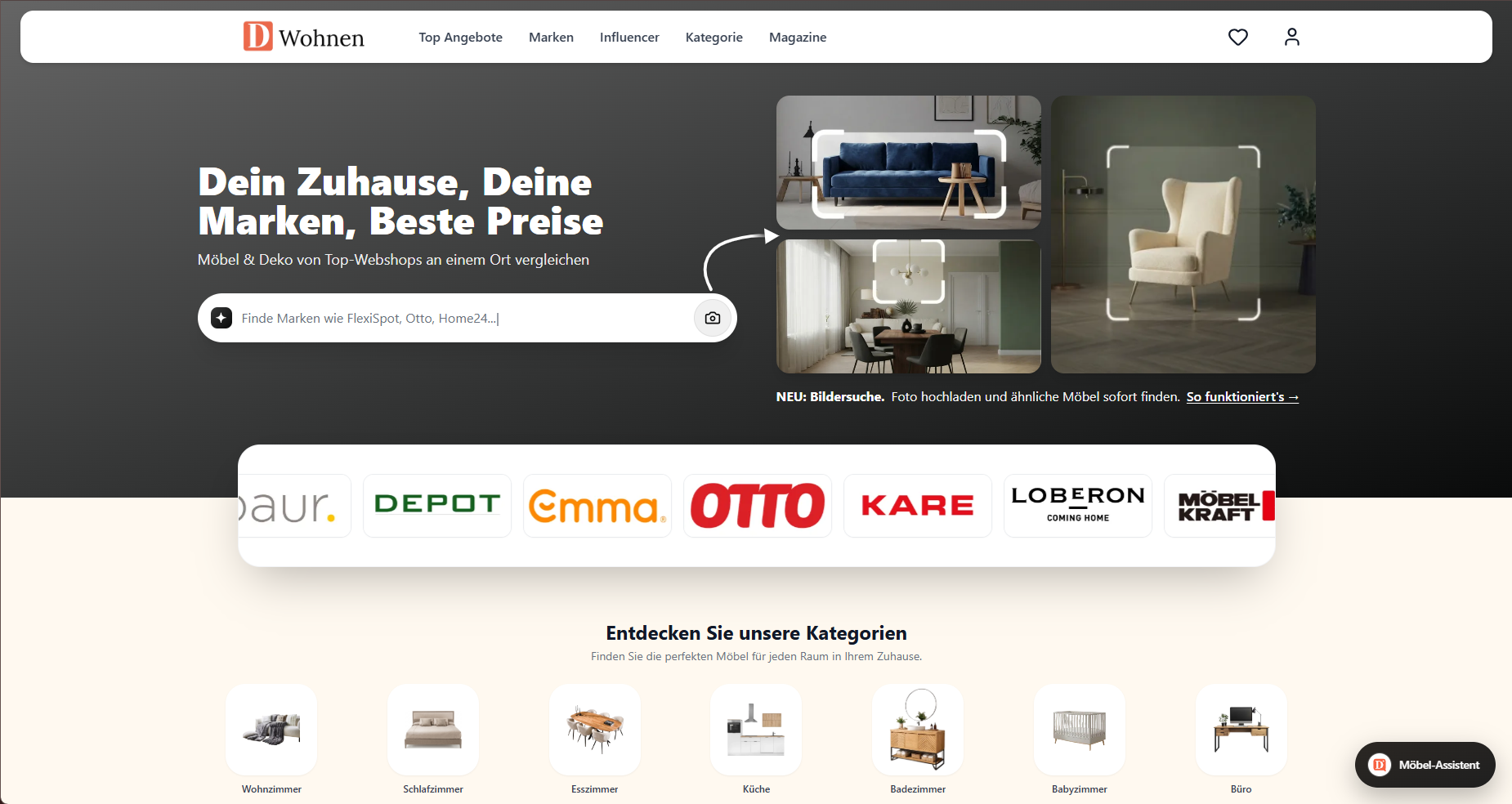
A bilingualhome-livingexperience.
Public pages are rendered on the server so content and metadata are present in the initial HTML, while client components add sliders, filtering, wishlists and the assistant on top.
View live site03. Catalogue & offers
From broad inspiration to a specific product.
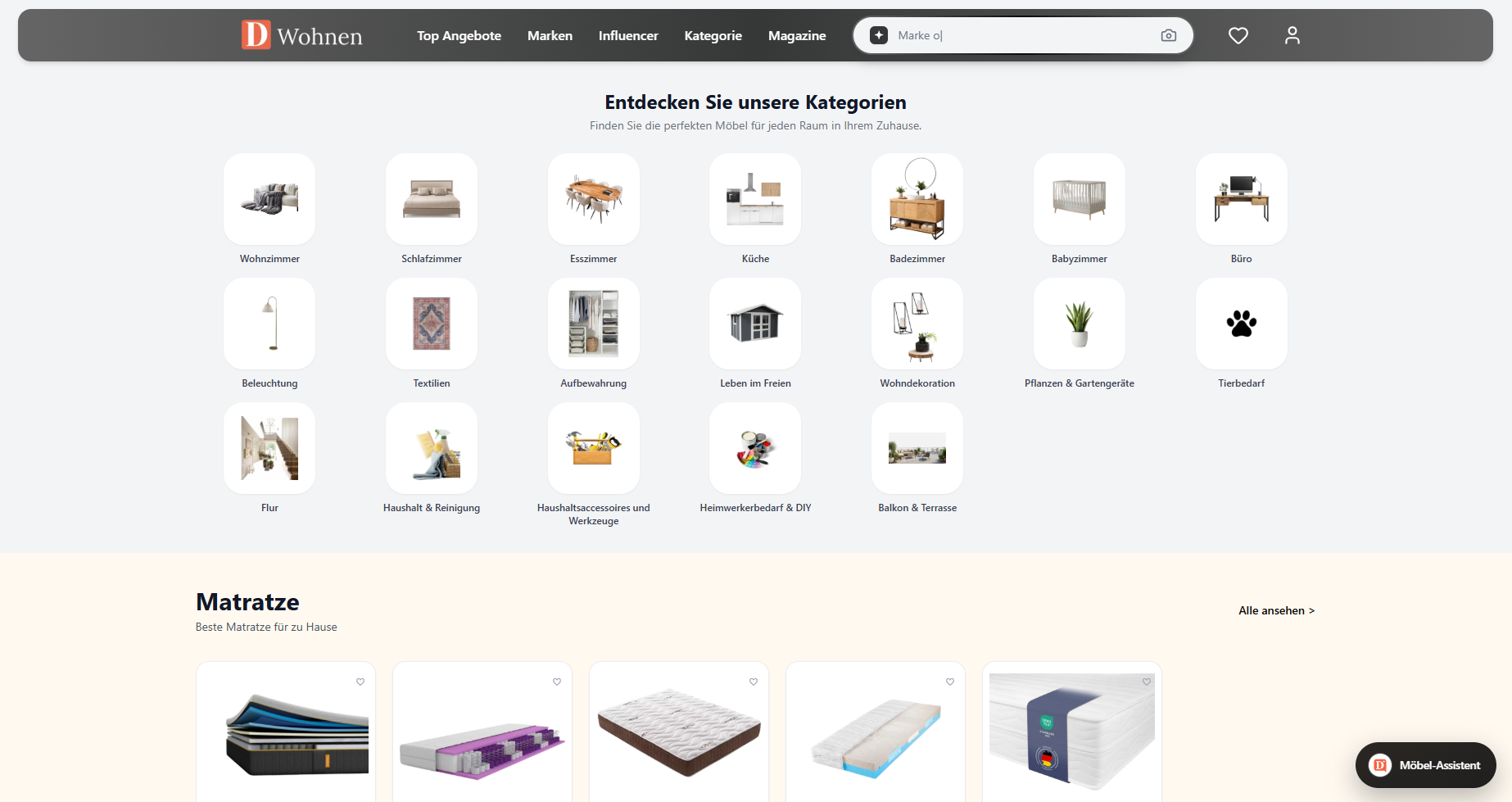
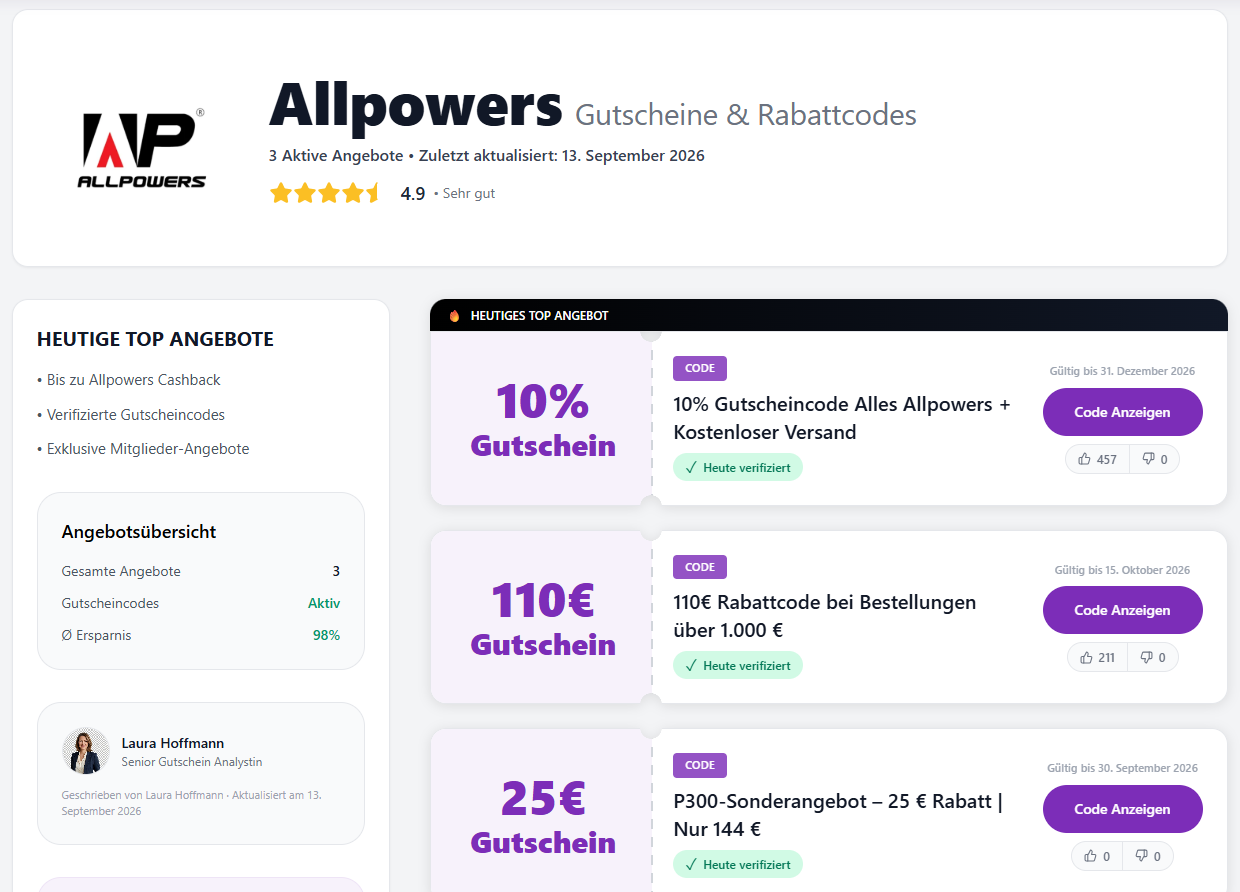
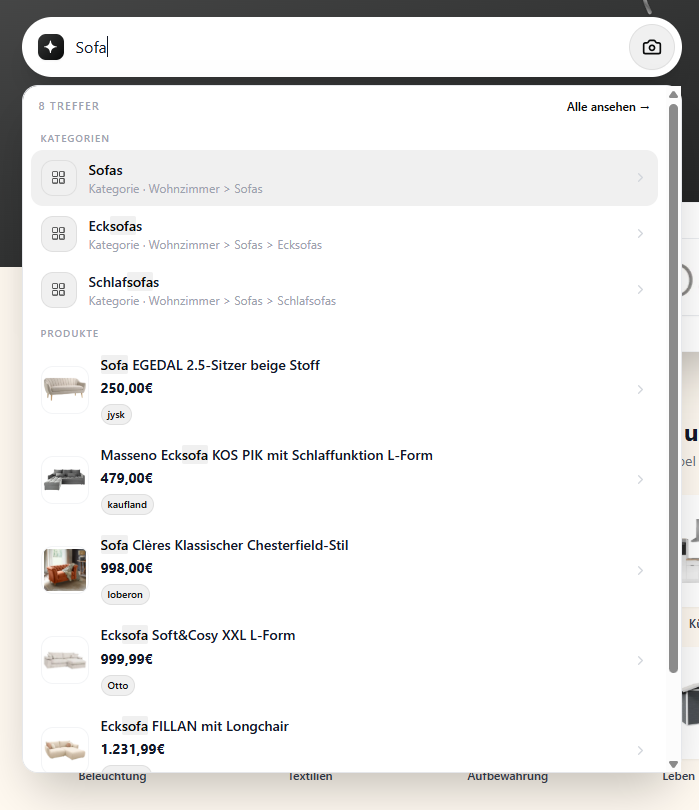
A hierarchical catalogue of parent, category and child pages carries filters, search suggestions and price-aware product cards. Dedicated voucher pages bring coupon stores, codes, sales, cashback and community voting into the same journey.
- Hierarchical parent, category and child navigation
- Search suggestions, filters and price-aware cards
- Coupon codes, sales, cashback and brand landing pages
- Accounts with persistent wishlists
04. AI-assisted discovery
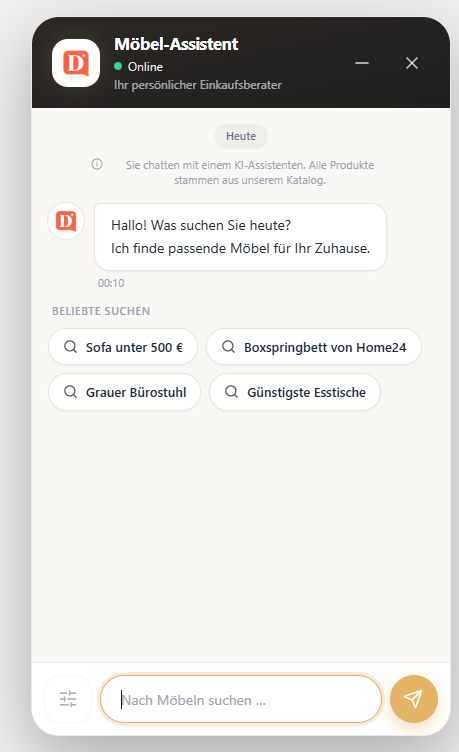
Ask in plain German. Or just show a photo.
The assistant turns a request like “a grey sofa under €500” into validated catalogue filters (category, brand, price, colour, material, sorting) and answers with real products, refinements, comparisons and matching coupons. Uploaded photos are recognized in the browser and routed to the closest categories without being stored.
- Intent parsed into validated catalogue filters
- Conversational refinement and product comparison
- Uploaded images matched to catalogue categories
- Assistant replies follow the active language
05. Custom admin CMS
Running the platform without a deploy.
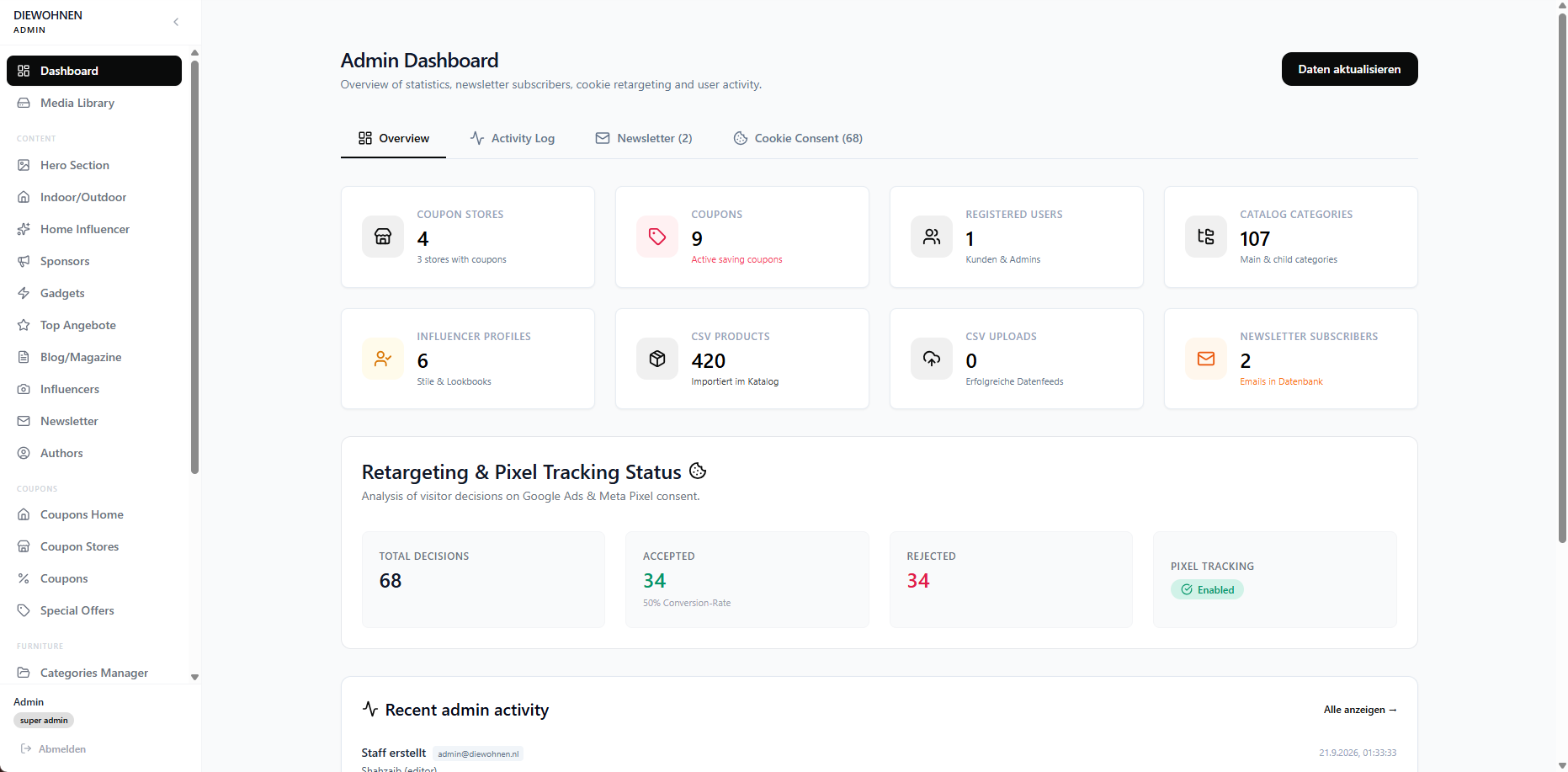
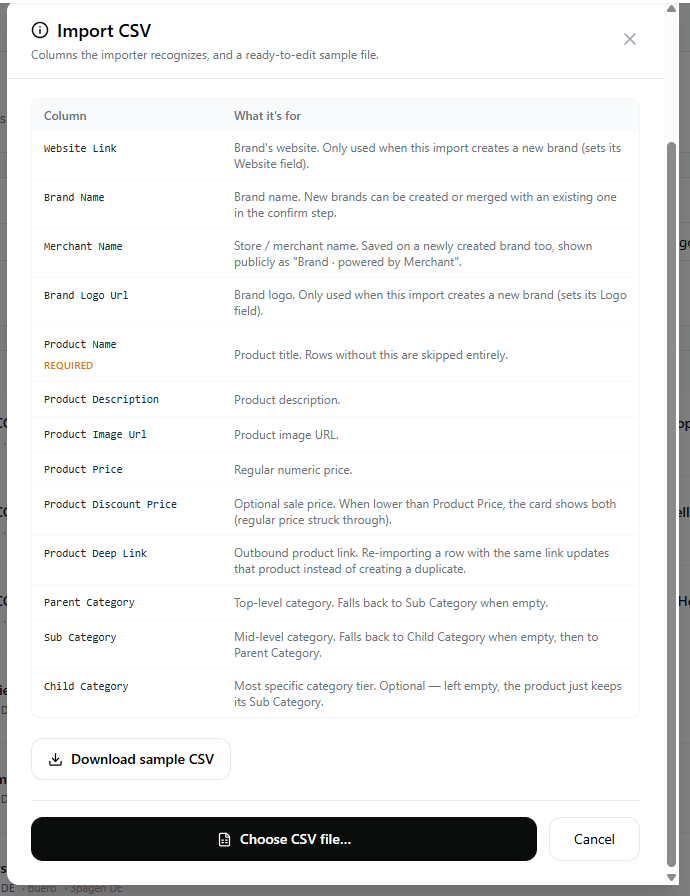
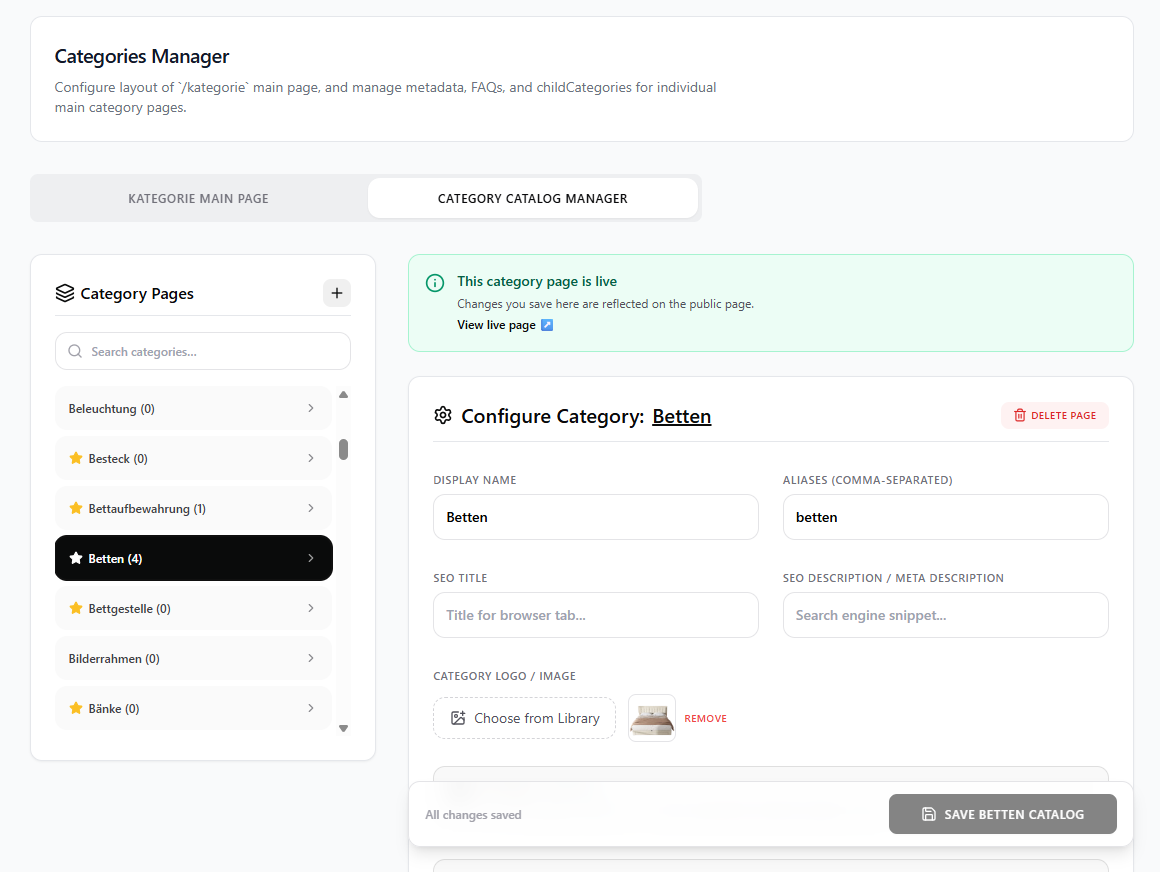
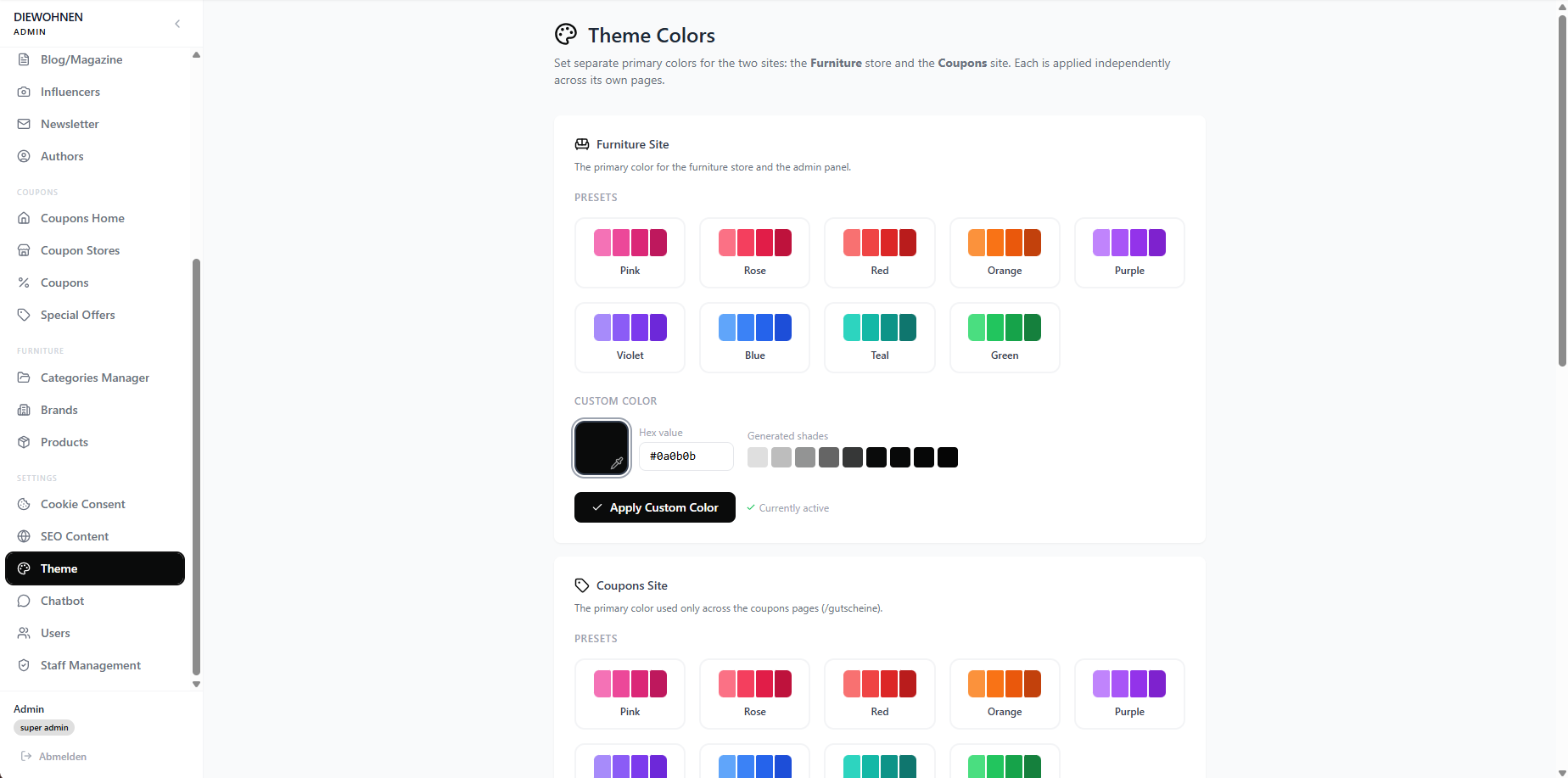
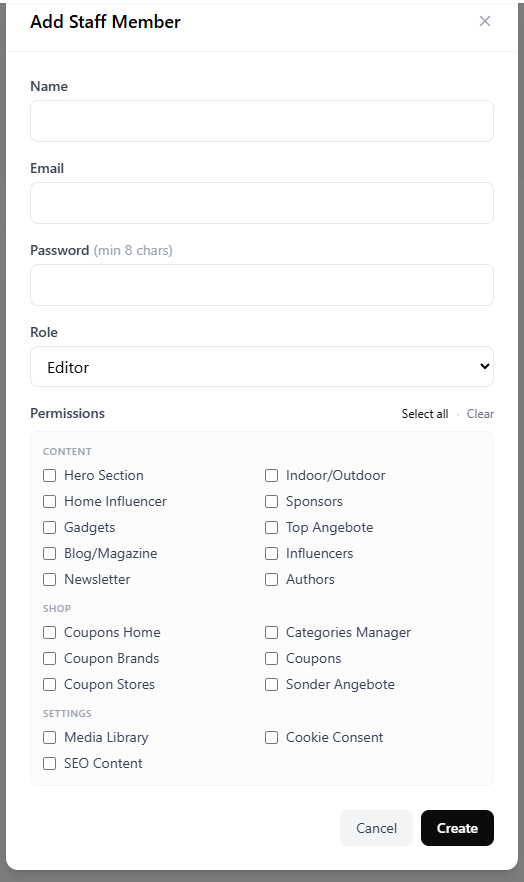
Homepage sections, category content, themes, SEO fields, coupons, influencer looks and editorial content are all managed as data. Bulk product feeds are validated, mapped and imported in batches, and every module is gated by role and per-editor permissions.
- CSV validation, category mapping and brand normalization
- Products, coupons, articles, influencers and media
- Super admin bypass with per-module editor permissions
- Editable SEO fields, FAQs and dynamic XML sitemaps
06. Architecture
Decoupled at the edge, typed end to end.
The Next.js frontend and the Hono API are independent applications joined by an HTTP contract. Presentation stays in Next.js while data access, authentication, permissions and business rules are centralized in the Cloudflare Worker, backed by D1 for structured data and R2 for media.
Browser
Visitor & admin UI
Next.js 14
Server-rendered pages
Hono API
Auth & catalogue logic
Cloudflare Workers
Edge runtime
D1 & R2
Data and media
07. Built for growth
Designed to keep scaling.
Indexed database fields, paginated endpoints, bulk operations, CSV validation, brand normalization and structured category relationships let the catalogue grow while staying manageable for the people who operate it every day.
- DE / EN
- Bilingual interface
- CSV
- Validated bulk imports
- SSR
- Server-rendered SEO
- RBAC
- Per-module permissions
08. Technologies
- Next.js 14
- React
- TypeScript
- Tailwind CSS
- Hono
- Cloudflare Workers
- Cloudflare D1
- Cloudflare R2
- AI Search
- i18n
- Headless CMS
- RBAC
- SEO
AH Originals
More Like This
 AH Original91 % image weight removedE-commerce platform & admin CMSSkinChoiceNext.js 16 · TypeScript · Cloudflare Workers · R2A production beauty storefront and fully custom, role-based admin CMS built for the Pakistani market. Watch case study
 AH OriginalEnterprise compliance platform & Flutter appOneComplianceAngular 18 · Flutter · AWS Serverless · PostgreSQLA multi-tenant compliance SaaS whose interface is generated from metadata, plus a native Flutter field app for consultants. Watch case study
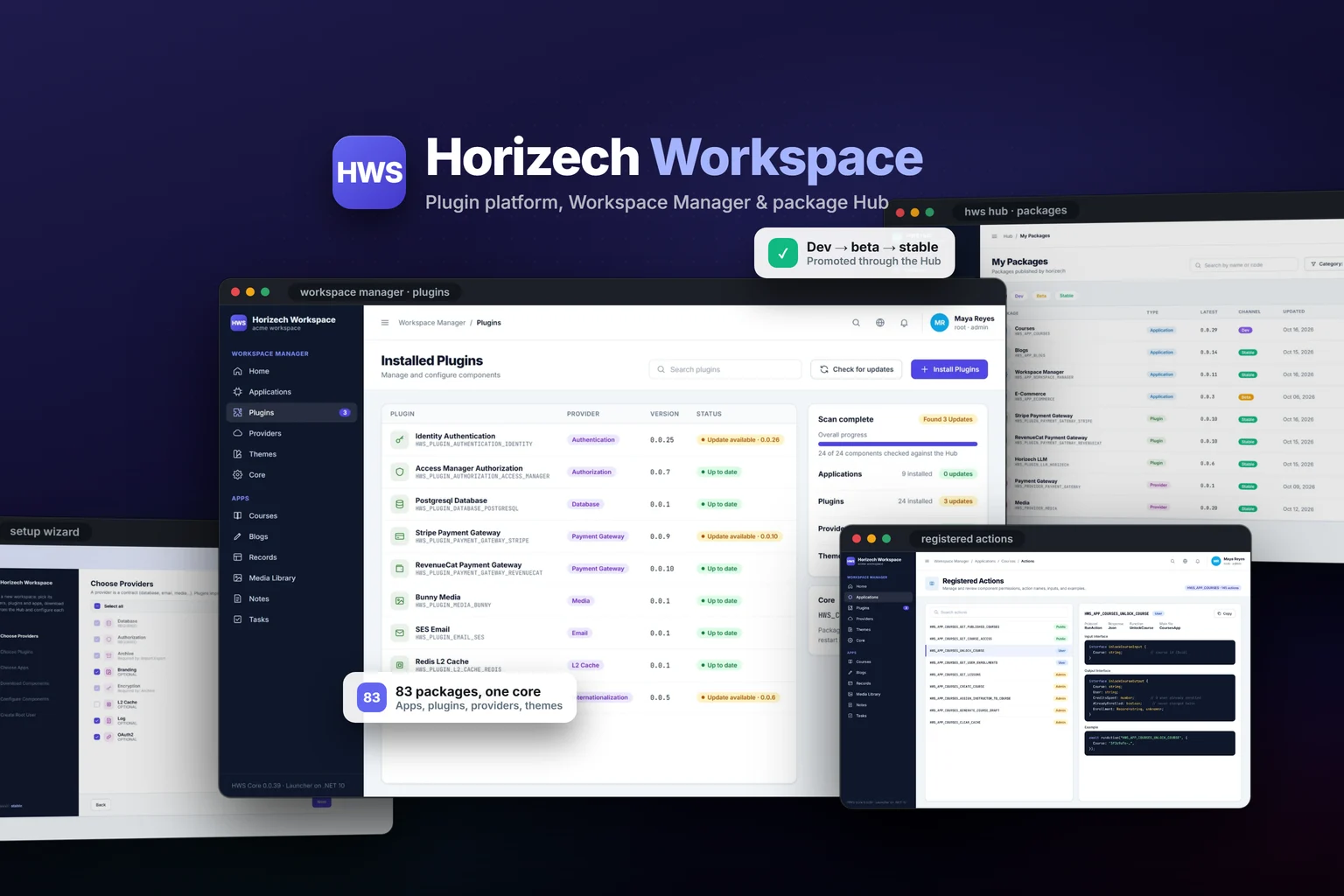 AH Original83 packages on one coreModular workspace platform & package HubHWS.NET 10 · Next.js · YARP · PostgreSQL · Cloudflare WorkersHorizech Workspace: a .NET core that installs, updates and rolls back apps, plugins, providers and themes at runtime, published through its own Hub. Watch case study
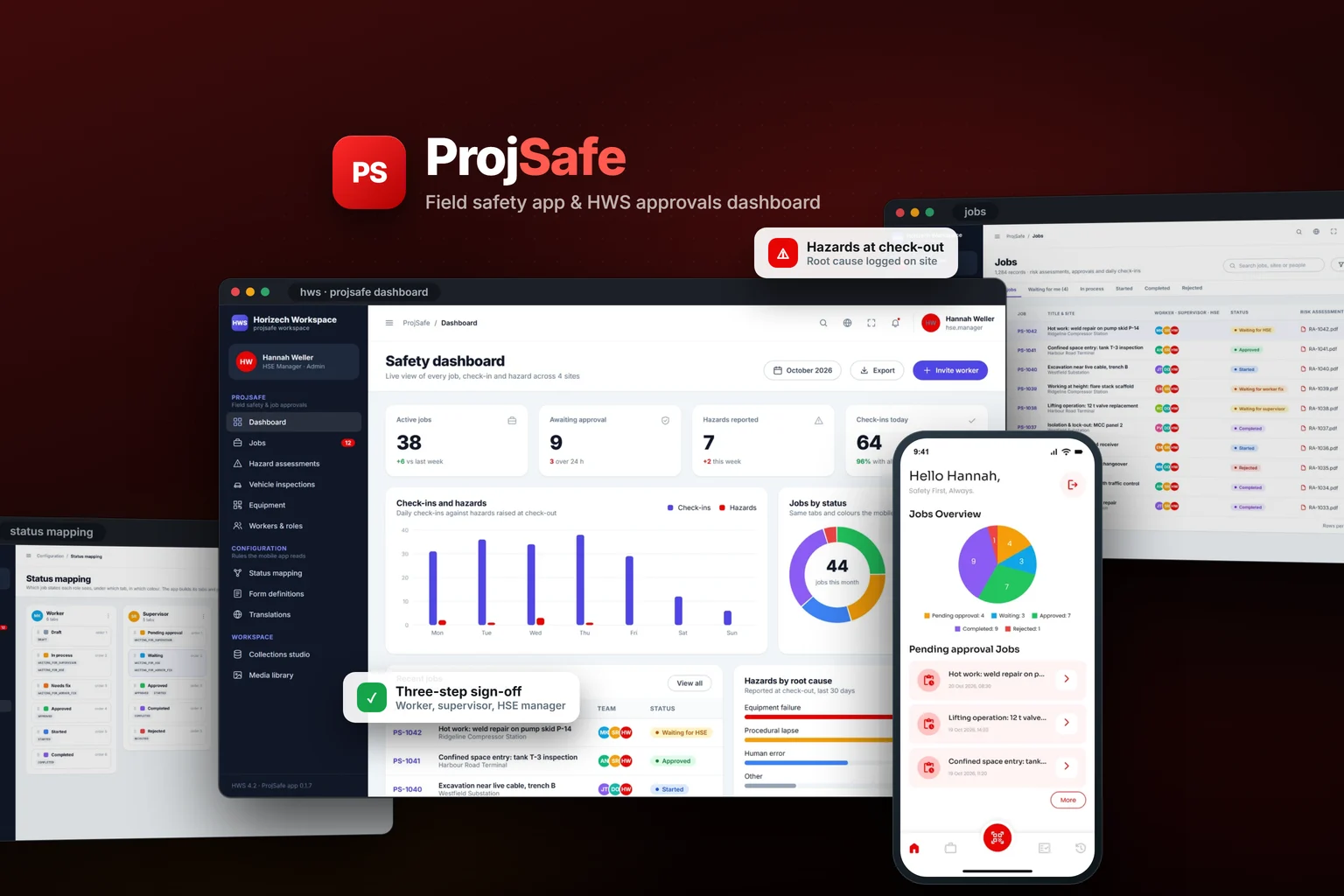 AH Original3 roles in one appField safety app & HWS dashboardProjSafeFlutter · Dart · HWS · ApiraiserA permit-to-work app for high-risk site jobs: risk assessments, three-step approvals and daily hazard check-outs, run from an HWS dashboard. Watch case study
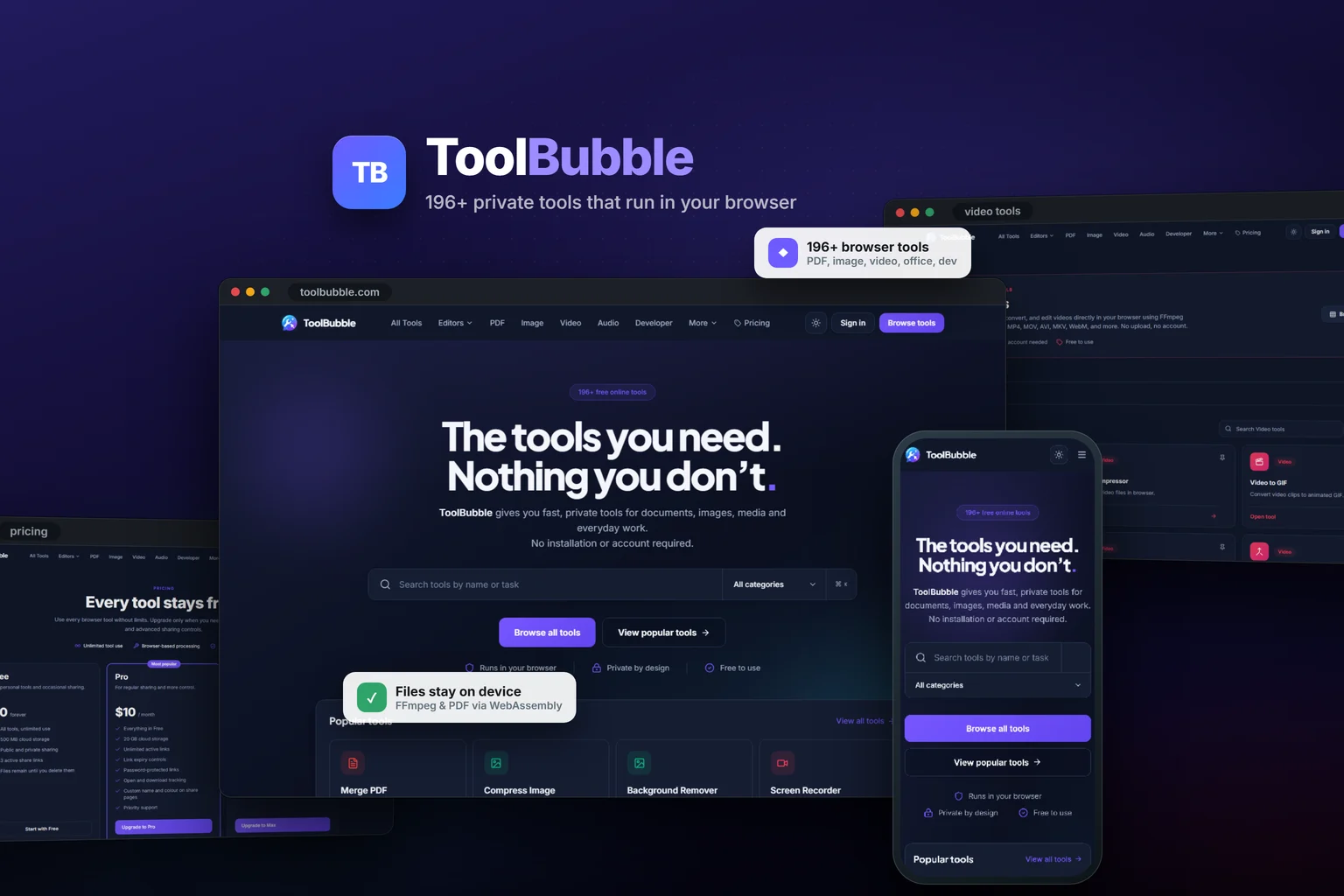 AH Original196+ browser-based toolsOnline tools SaaS platformToolBubbleNext.js 14 · FFmpeg WASM · Cloudflare Workers · StripeOver 196 private, in-browser tools with online editors, cloud storage, secure sharing and subscriptions, designed, built and run solo. Watch case study
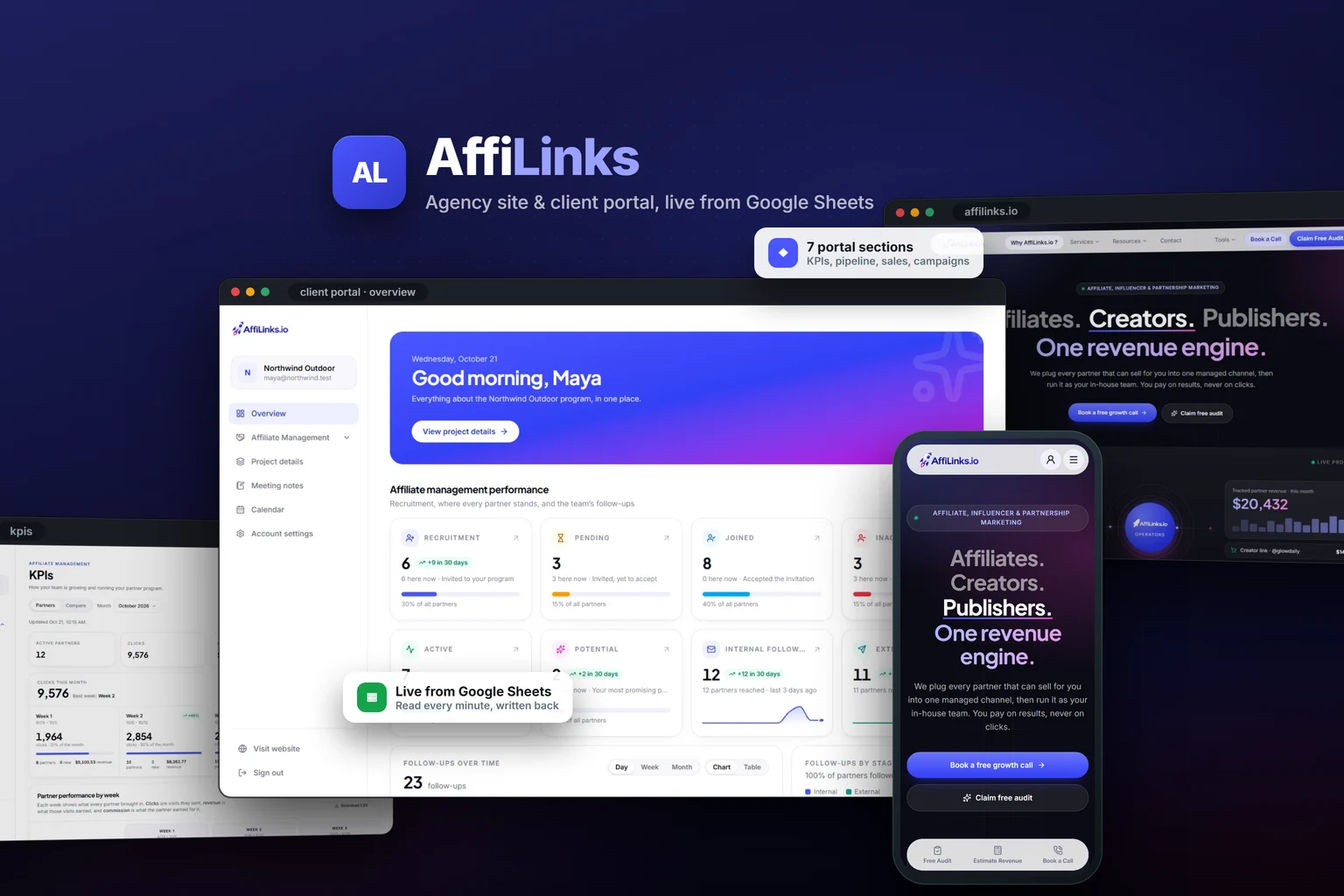 AH Original7 portal sections, live from SheetsAgency site & Google Sheets client portalAffiLinksNext.js 15 · Hono · Cloudflare Workers · Google Sheets APIAn affiliate marketing agency's site and client portal: brands see their live program, read from the team's Google Sheets, and update orders back to them. Watch case study
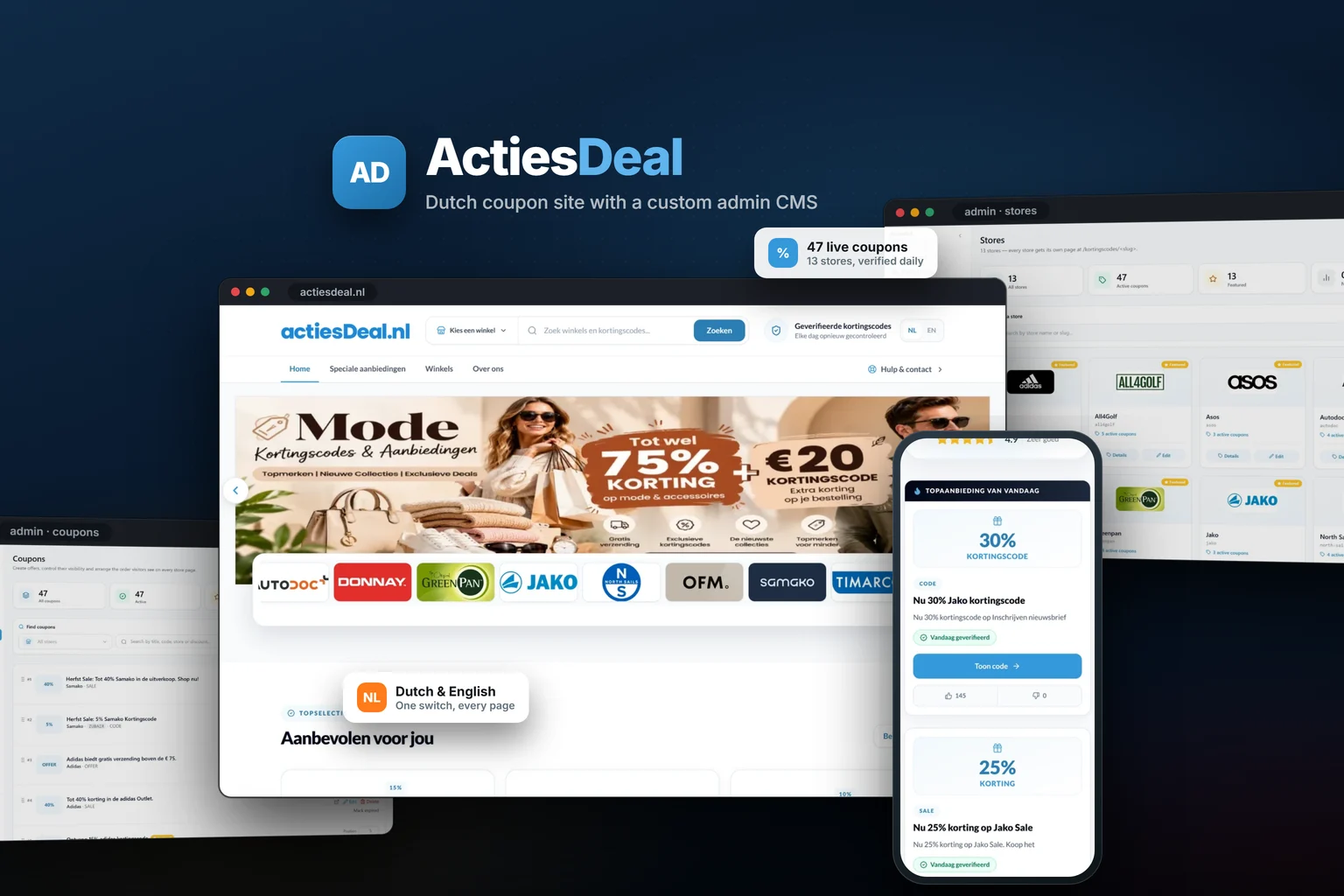 AH Original2 languages, one switchDutch coupon site & admin CMSActiesDealNext.js 14 · Hono · Cloudflare Workers · D1 / R2A coupon and voucher site for the Netherlands in Dutch and English, run from a custom role-based admin CMS. Watch case study
 AH Original199 published coursesEngineering e-learning, web & appWiscademyNext.js 16 · Flutter · HWS · Stripe · RevenueCatNPPE, FE and CPD courses for Canadian engineers: a Next.js website and a Flutter app on one HWS backend. Watch case study
Next episode
Want something like DIEWOHNEN?
Tell me about your idea and I'll reply with honest advice and a free quote. Replies within 24 hours.